Overview of Tulsa Broadcast Landscape
Tulsa’s broadcast scene blends major networks with local flavor. Residents enjoy clear signals from ABC, CBS, NBC, FOX, and PBS, plus niche stations. The city’s flat terrain and modern towers support robust reception, making antenna TV a reliable choice. Viewers enjoy free HD content, no cable fees
Major Network Affiliations in Tulsa
In Tulsa, five primary network affiliates—ABC’s KJRH‑TV, CBS’s KOTV‑DT, NBC’s KOKI‑TV, FOX’s KMYT‑TV, and PBS’s KPTV—anchor the local broadcast scene. Each station transmits from the Tulsa Ridge and nearby Oklahoma City towers, delivering signals across the metropolitan area. Digital subchannels expand the lineup: KJRH’s 8.2 offers weather updates, KOTV’s 6.3 streams classic movies, KOKI’s 5.4 features lifestyle content, KMYT’s 7.5 airs sports, and KPTV’s 9.2 presents local public‑service programming. These subchannels provide residents with free, diverse content beyond the main network feeds. The stations also offer high‑definition video HD, ensuring viewers receive programming!
Beyond the core networks, Tulsa’s antenna market benefits from independent and specialty stations. Digital multiplexing allows each primary station to broadcast multiple streams, enabling niche programming such as religious shows and local government meetings. Low‑power translators extend coverage into the city’s outskirts. Many cable‑only channels are simulcast on local digital subchannels, further enriching the media ecosystem.
Overall, Tulsa’s network affiliations combine national reach. The city’s flat terrain and modern transmission technology guarantee that households can enjoy high‑definition broadcasts from the major networks and their subchannels without a cable subscription. Whether tuning in for breaking news, live sports, or community affairs, the Tulsa broadcast infrastructure offers a dependable viewing experience across the region.
Antenna Types for Tulsa Residents
Indoor antennas fit city apartments, while outdoor models capture stronger signals from Tulsa Ridge. Digital‑era antennas support 1080p HD, and smart‑antenna kits auto‑scan channels. Choose based on height, orientation, and local terrain. and weather updates
Indoor vs. Outdoor Antennas
Choosing between indoor and outdoor antennas hinges on location, signal strength, and user preference. Indoor units are compact, easy to install, and ideal for apartments or homes with limited roof space. They typically mount on a wall or bookshelf and use a short coaxial cable to connect to the TV. While they provide decent reception for nearby stations, their range is limited by building materials and interference from other electronics.
Outdoor antennas, on the other hand, are positioned on a roof, balcony, or a dedicated pole, maximizing line‑of‑sight to transmit towers. Their elevated placement reduces obstructions such as walls, trees, and other structures, allowing them to capture signals from farther distances. Outdoor models often support higher gain and can receive a broader spectrum of channels. Weatherproofing to withstand wind, rain, and temperature extremes.
To decide, evaluate the distance to the nearest broadcast tower, the number of available channels, and the physical constraints of your home. If you live in a densely built area with many signal obstructions, an outdoor antenna may offer superior performance. If you prefer a low‑maintenance solution and only need a handful of local stations, an indoor antenna can be sufficient. Many users combine both: a primary outdoor antenna for main channels and a secondary indoor unit for backup or niche stations.
Local TV Channels Available via Antenna
Tulsa residents can tune into free HD broadcasts from ABC, CBS, NBC, FOX, and PBS, plus local affiliates like KOTV (CBS), KJRH (ABC), KOKI (FOX), KTVT (NBC), and KPTV (PBS). Additional specialty channels include local news, sports, and community programming. These stations provide local coverage.!
Primary TV Stations (ABC, CBS, NBC, FOX, PBS)
In Tulsa, the core broadcast lineup is anchored by five flagship stations that deliver national networks and local programming. KOTV-DT (CBS) operates on channel 6, offering a robust digital signal that reaches the entire metropolitan area. It features the full CBS slate—prime‑time dramas, live sports, and the flagship News at 10. KJRH-DT (ABC) broadcasts on channel 8 and is known for its comprehensive local news coverage, morning shows, and popular syndicated programs. KOKI-DT (FOX) on channel 10 delivers the network’s entertainment mix, including American Idol and Fox News Sunday, while also providing local sports broadcasts. KTVT-DT (NBC) on channel 12 airs the full NBC lineup, from Today to Sunday Night Football, and is a key source for national and local news. KPTV-DT (PBS) on channel 13 focuses on educational and cultural content, offering programs such as Masterpiece, Nature, and local public affairs shows. Together, these stations form the backbone of Tulsa’s free‑to‑air television, ensuring residents receive high‑definition content without cable or satellite fees.
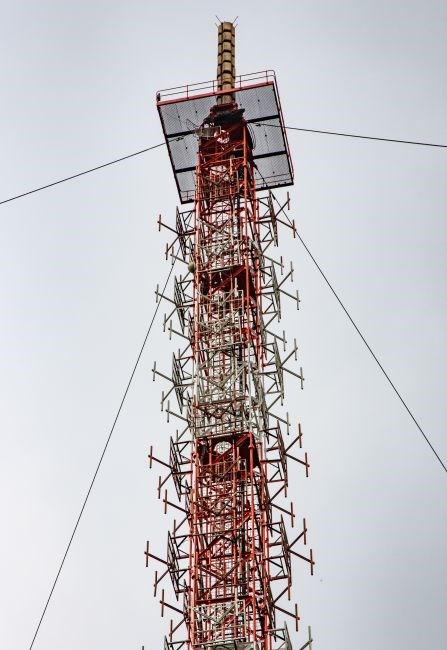
Each station’s signal is transmitted from the Tulsa Tower, ensuring minimal interference. Viewers can also access digital subchannels offering specialized content such as weather, classic movies, and local high‑school sports. The combined reach covers over 95% of the city’s households. nightly; daily
Finding and Verifying Station Frequencies
Use the FCC’s TV Query tool or apps like AntennaWeb to locate Tulsa stations. Enter your ZIP code, then review each station’s RF channel, ERP, and antenna height. Cross‑check with local listings to confirm signal strength and channel availability . !
Using FCC Databases and Online Tools
To locate Tulsa’s broadcast stations, the FCC’s online tools are indispensable. The TV Query database lists every licensed station, including its call sign, digital channel, sub‑channels, effective radiated power (ERP), height above average terrain (HAAT), and transmitter coordinates. By entering your ZIP code or latitude/longitude, the tool filters stations within a 60‑mile radius, displaying their RF channel and virtual channel numbers. The search results also provide the station’s service contour map, which shows the predicted 60‑dBµV/m coverage area. For a more visual approach, AntennaWeb offers an interactive map that overlays Tulsa’s terrain with station contours. Users can adjust antenna height, gain, and direction to simulate reception quality. The FCC’s FM Query can be used for low‑power stations that also broadcast TV content. Additionally, the FCC’s Spectrum Management System (SMS) provides real‑time licensing data, including any recent changes to station parameters. By cross‑referencing these databases, viewers can confirm the exact frequency, sub‑channel lineup, and signal strength for each Tulsa station, ensuring optimal antenna placement and troubleshooting potential interference issues. By leveraging these tools, Tulsa residents can fine‑tune their antenna setup, avoid signal loss, and enjoy uninterrupted local programming, all while staying informed about any regulatory changes that might affect their reception!Thanks This keeps viewers connected to community news, alerts, emergencies!!
Optimal Antenna Placement Strategies
Mount the antenna high—roof or pole—to clear obstructions. Aim toward Tulsa’s main towers, usually north‑west. Use 5‑10 ft height for indoor units, 15‑20 ft for outdoor. Adjust gain and polarization for best signal. Mount on a clear, high spot for best reach!
Height, Orientation, and Obstruction Considerations
Choosing the right height for your Tulsa antenna is crucial. The city’s relatively flat topography means that a modest elevation—typically 15 to 25 feet above ground level—provides a clear line of sight to the main broadcast towers located in the north‑west quadrant. If you live in a high‑rise or near a large building, consider mounting the antenna on a rooftop or a dedicated pole to avoid interference from surrounding structures. The orientation of the antenna should directly face the primary transmitters. Use online tools such as the FCC’s TV Query or the AntennaWeb to determine the exact azimuth angles for the ABC, CBS, NBC, FOX, and PBS stations. Adjust the antenna’s azimuth by rotating it in 5‑degree increments until the signal strength peaks. Pay close attention to obstructions: trees, metal beams, and even large appliances can attenuate the signal. Trim or remove foliage within a 30‑foot radius of the antenna, and keep it at least 6 inches away from walls to reduce multipath interference. When using an indoor antenna, position it near a window, facing towers and keep it inches from walls to reduce multipath interference. For outdoor antennas, secure the mount with a sturdy bracket and use a weather‑proof enclosure to protect the feedline. Finally, test the reception by scanning for channels and noting the signal quality indicators. If the signal appears weak, try slightly adjusting the height or orientation, or consider a higher‑gain antenna. Consistent monitoring and minor tweaks keep reception optimal.
Signal Strength & Reception Quality Factors
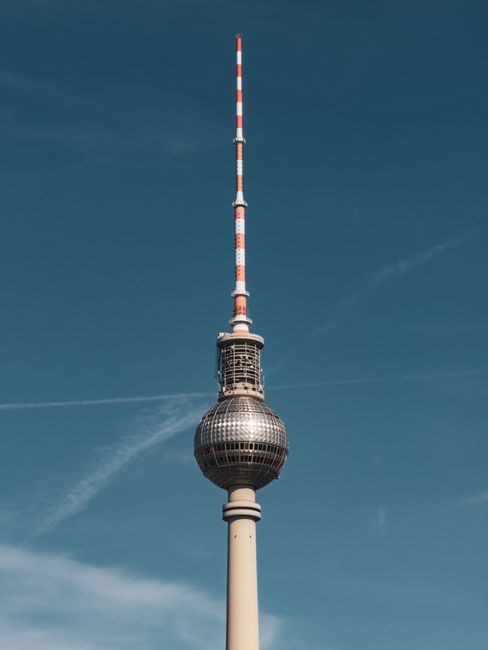
Signal strength in Tulsa depends on tower height, antenna gain, and local terrain. Weather, especially rain and wind, can weaken reception. Interference from nearby Wi‑Fi routers and power lines may cause ghosting. Regularly scan channels and adjust orientation to maintain HD clarity—perfectly!!
Weather, Terrain, and Interference
In Tulsa, the flat plains and occasional thunderstorms create a unique environment for over‑the‑air reception. The city’s low elevation means signals travel long distances without major obstructions, but heavy rain can attenuate VHF and UHF frequencies, especially during the humid summer months. Wind can shift antenna alignment, causing brief drops in picture quality. Terrain features such as the modest hills near Broken Arrow or the small ridges surrounding Tulsa International Airport can reflect or diffract signals, leading to multipath interference that manifests as ghosting or static. Interference from nearby Wi‑Fi routers, cellular base stations, and even high‑voltage power lines can further degrade signal clarity, particularly for UHF channels that are more susceptible to electromagnetic noise. To mitigate these effects, users should mount antennas on the highest available structure, orient them toward the nearest broadcast tower, and use a signal amplifier only if the initial reception is weak. Regularly checking the FCC’s FM/TV database for tower locations and performing a channel scan during different weather conditions can help identify persistent issues. By understanding how weather, terrain, and interference interact in Tulsa, viewers can optimize their antenna setup for the most reliable, high‑definition picture possible. Seasonal storms can block signals, so a backup antenna or digital converter may be needed during outages! Urban development introduces reflectors that create signal shadows, requiring careful repositioning. Staying updated with FCC spectrum changes helps avoid sudden channel loss!!! A signal meter measuring dBm ensures the received strength stays above for clear picture!!!
Troubleshooting Common Reception Issues
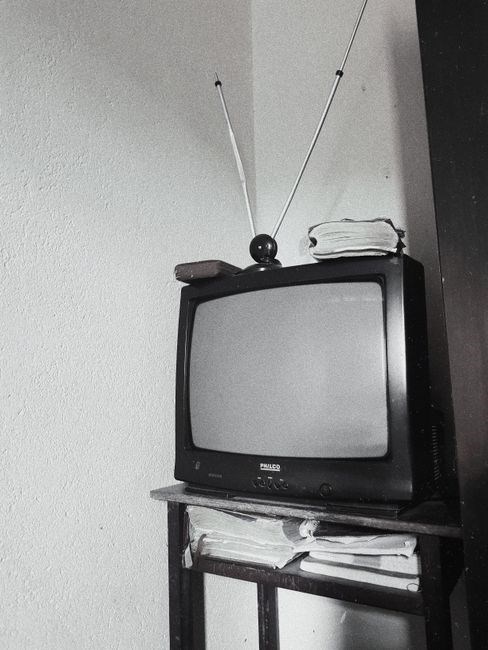
Check antenna height, orientation, and cable connections. Use a signal meter to verify strength. Clear obstructions, adjust azimuth, and retune; If static persists, replace coax, try a different channel, or use a signal amplifier. Contact FCC for interference reports. Use tuner for clarity. boost!!!
Steps to Diagnose and Resolve Problems
Verify connections: secure coax to antenna and TV Check cable for damage and ensure tight fittings. Weak links cause flicker. Check jacks!

Point antenna toward northwest tower. Use compass or app. Adjust height for best reception. If signal is weak, try rotating 90 degrees.Now
Measure signal with meter. Read >70 dB strong; <50 dB weak. Add low‑noise amplifier if needed. If low, raise antenna height. Use a meter to check signal before adjustments!
Scan channels. If missing, toggle Auto/Manual. Force tuner to search weaker signals. If still no picture, check cable connections againNow
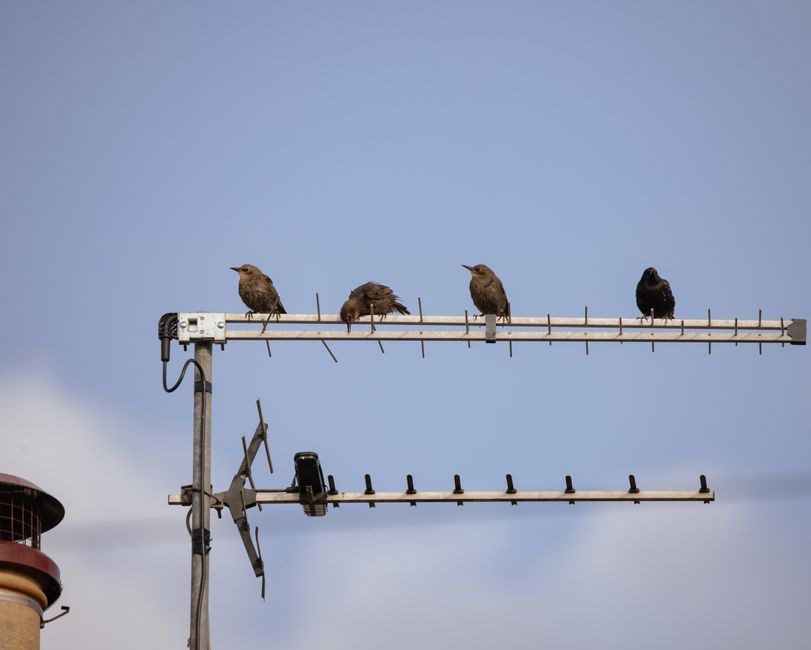
Identify interference from Wi‑Fi, cordless phones, metal. Move antenna away from obstructions. If signal still weak, try a gain amplifier. Now!!
Install low‑noise amplifier if signal low. Ensure gain matches Tulsa’s range. If gain is too high, clip may cause distortion. Adjust. Now!!!
Verify FCC data: cross‑check station frequency and transmitter location. Incorrect settings cause missed channels. Check portal for updates.
Update firmware: install latest updates to improve tuner performance and error handling. If firmware fails, reset to factory defaults. Now!!
Contact support if problems persist. Reach out to manufacturer or local retailer for diagnostics. If no reply, ask local forum for help. Now
Document changes: log adjustments, antenna height, orientation, equipment added. Record helps repeat troubleshooting. Keep log upgrades. Now