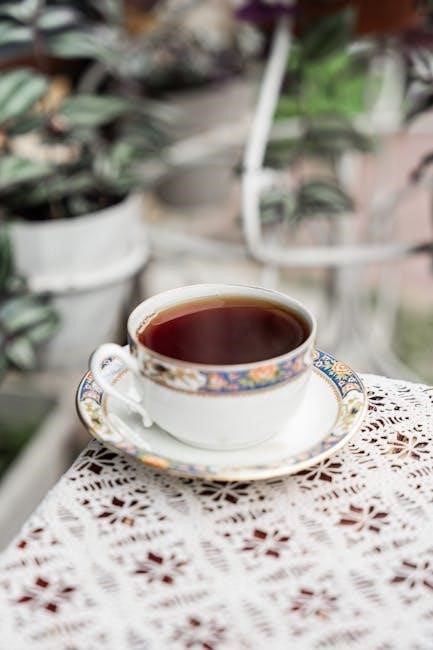
Tea Cup Collectors Guide ⏤ An Overview
Embark on a delightful journey! This guide explores the captivating world of tea cup collecting, covering identification, valuation,
and care – from Paragon to Japanese art glass.
Discover resources like Kovels and auction houses, alongside insights into rarity, condition, and the emotional connections these treasures hold.
Welcome to the enchanting hobby of tea cup collecting! This pursuit blends history, artistry, and personal connection, attracting enthusiasts of all ages. The appeal lies in the diverse range of styles, manufacturers, and stories embedded within each delicate piece.
Collecting isn’t merely about acquisition; it’s about discovering the narratives behind the porcelain, bone china, or stoneware. Many collectors find joy in the “hunt,” seeking rare patterns or completing sets. Beyond aesthetics, tea cups often serve as cherished heirlooms, carrying sentimental value and sparking memories.
Whether you’re drawn to the elegance of Paragon, Aynsley, or Shelley, or the unique artistry of Japanese designs, there’s a world of beauty waiting to be explored. This guide will equip you with the knowledge to navigate the market, assess value, and build a collection you’ll treasure for years to come.
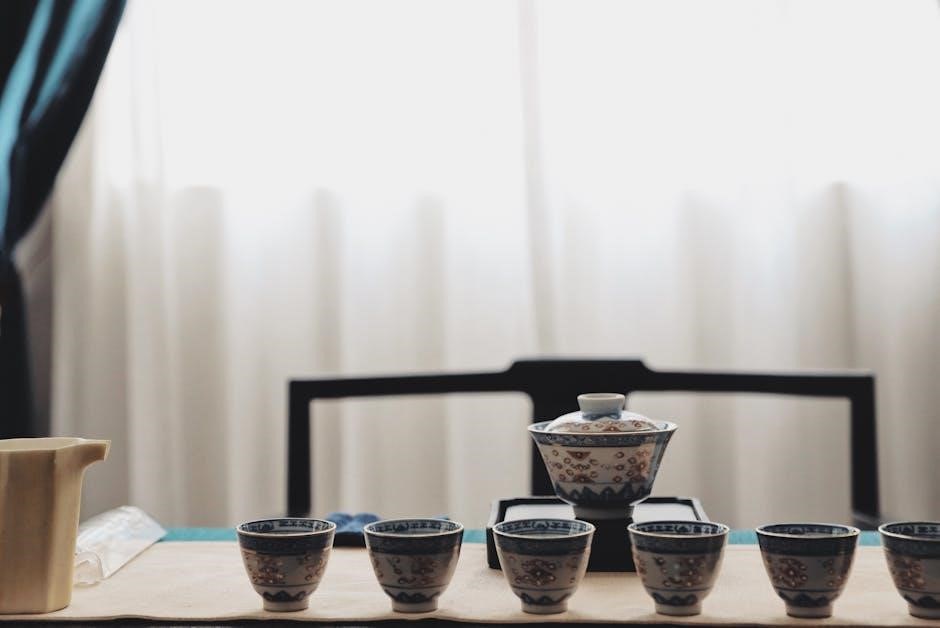
Historical Context of Tea Cups
The history of tea cups is intrinsically linked to the rise of tea drinking itself. Originating in China, tea’s popularity spread to Europe in the 17th century, initially as an expensive luxury enjoyed by the elite. Early European tea cups mimicked Chinese designs, evolving over time into distinct styles.
The 18th and 19th centuries witnessed a flourishing of tea cup production, particularly in England, with renowned manufacturers like Paragon, Shelley, and Aynsley emerging. These potteries catered to a growing middle class, producing increasingly ornate and diverse patterns.
Tea cups weren’t simply functional; they became symbols of social status and refined taste. The Victorian era, in particular, saw elaborate tea services become central to social gatherings. Understanding this historical evolution enriches the collecting experience, adding depth to each piece’s story.
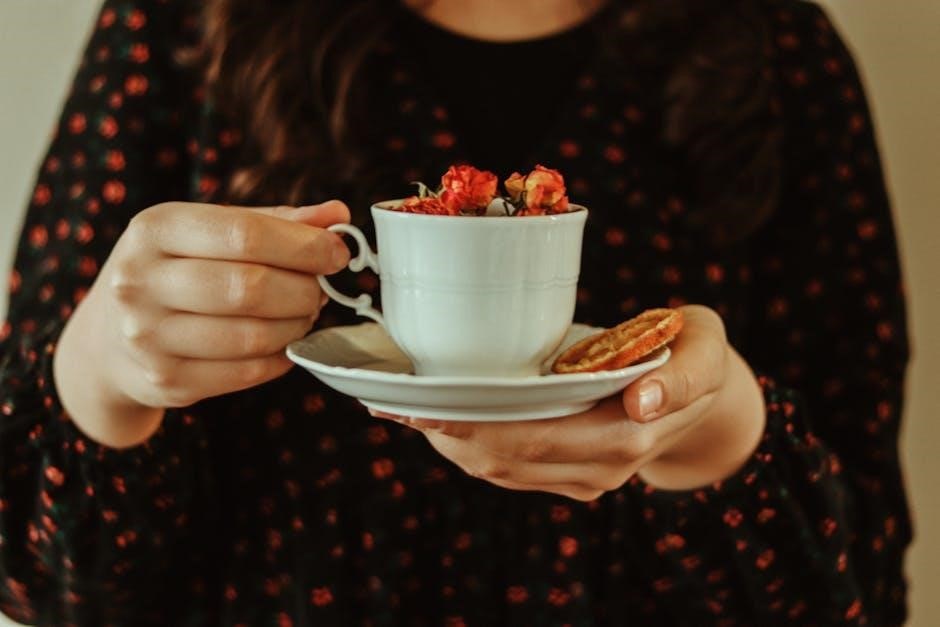
Identifying Tea Cup Types
Explore diverse materials! From delicate bone china and classic porcelain to durable stoneware and exquisite art glass, each type offers unique characteristics and collecting appeal.
Bone China Tea Cups
Renowned for their translucence and delicate beauty, bone china tea cups represent a pinnacle of ceramic artistry. Crafted with bone ash, they achieve exceptional strength alongside a refined, almost ethereal quality. Collectors prize bone china for its intricate patterns and the prestige associated with esteemed manufacturers like Paragon, Aynsley, and Shelley.
Identifying bone china often involves examining the cup’s weight – it’s surprisingly lightweight – and holding it to the light to observe its translucency. Look for maker’s marks on the base, crucial for determining authenticity and age. These cups frequently command higher prices due to their craftsmanship and historical significance, making them a coveted addition to any collection.
Porcelain Tea Cups
Porcelain tea cups offer a broad spectrum of styles and origins, representing a significant portion of the collecting world. Unlike bone china, porcelain doesn’t contain bone ash, resulting in a slightly heavier, though still delicate, feel. These cups showcase diverse decorating techniques, from hand-painted florals to elaborate gilded designs.
Japanese porcelain tea cups, a newly categorized area of interest, are particularly sought after for their unique artistry and cultural significance. Identifying porcelain involves checking for a non-porous surface and a ringing sound when tapped. Value is influenced by age, maker, pattern, and condition, making careful research essential for collectors.
Stoneware Tea Cups
Stoneware tea cups represent a more rustic and durable option within the collecting realm, differing significantly from porcelain or bone china. Often featuring bolder designs and textures, stoneware offers a unique aesthetic appeal. Historically, stoneware was favored for its practicality and resistance to chipping, making it ideal for everyday use.
While generally less valuable than finer porcelains, antique or uniquely decorated stoneware cups can still command respectable prices. Collectors appreciate the earthy tones and handcrafted feel of these pieces; Identifying stoneware involves noting its slightly porous texture and weight. Condition plays a crucial role in determining value, with intact examples being highly desirable.
Art Glass Tea Cups
Art glass tea cups represent a fascinating, and often overlooked, segment of the collecting world. Created by leading glass factories in Europe and the United States, these cups showcase vibrant colors and innovative designs. Unlike traditional ceramic tea cups, art glass offers a unique translucence and artistic flair.
Identifying art glass requires recognizing the hallmarks of specific manufacturers. Collectors prize pieces with intricate patterns, unusual shapes, and exceptional craftsmanship. Value is influenced by rarity, condition, and the reputation of the glassmaker. Researching marks and signatures is essential for accurate attribution. These cups add a touch of elegance and modernity to any collection.
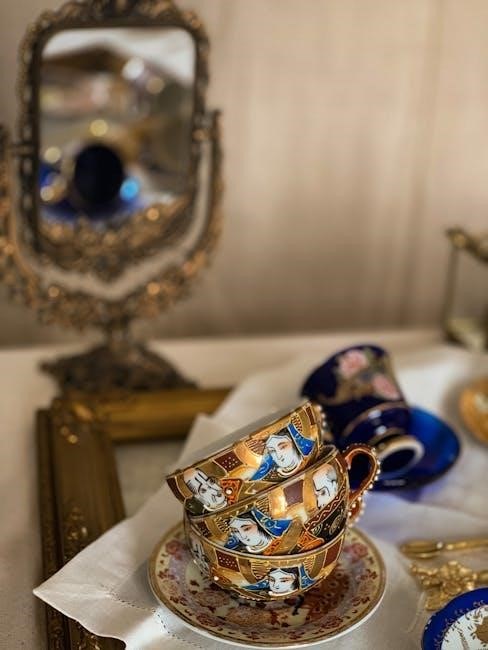
Key Manufacturers and Their Marks
Unlocking a cup’s history! Explore renowned makers like Paragon, Aynsley, Shelley, and Japanese artisans, learning to decipher their unique marks for authentication and value.
Paragon Tea Cups
Paragon China, established in 1905, quickly gained recognition for its high-quality bone china tea cups and elegant designs. Collectors particularly prize Paragon for its vibrant floral patterns and detailed craftsmanship. Identifying Paragon pieces often involves examining the backstamp, which evolved over time, offering clues to the cup’s age.
Extra 3-in-1 collections featuring Paragon cups are sought after, with online sales price guides indicating values ranging from $100 to $2000, depending on rarity and condition. Popular patterns like ‘Country Lane’ and ‘Rock Garden’ command higher prices. Understanding the backstamp variations is crucial for accurate valuation, as it helps pinpoint the production period and potential desirability within the collector’s market.
Aynsley Tea Cups
Aynsley China, founded in 1779, is renowned for its exquisite floral decorations, often hand-painted with remarkable detail. Collectors value Aynsley tea cups for their delicate bone china and artistic merit. Like Paragon, identifying Aynsley pieces relies heavily on deciphering the backstamp, which underwent changes throughout the company’s history.
Aynsley cups frequently appear in combined collections, such as the “Extra 3-in-1” sets alongside Paragon and Shelley, with values potentially reaching $2000. Patterns featuring cottage gardens and realistic floral depictions are especially desirable. Careful examination of the painting style and backstamp is essential for determining authenticity and assessing the cup’s worth in the current market.
Shelley Tea Cups
Shelley China, established in 1862, holds a prominent place in tea cup collecting, celebrated for its diverse range of patterns and shapes. From the classic Dainty shape to more modern designs, Shelley offers something for every collector. Identifying Shelley pieces involves understanding the various backstamps used over the years, reflecting different periods and ownership changes.
Like Aynsley and Paragon, Shelley cups are often found in combined sets, commanding significant prices – potentially up to $2000 in “Extra 3-in-1” collections. Patterns like “Dainty Blue” and those featuring hand-painted floral motifs are particularly sought after. Condition and rarity are key factors influencing value, making careful inspection crucial.
Japanese Tea Cups
Japanese tea cups represent a relatively newer, yet increasingly popular, category within tea cup collecting. Traditionally, Japanese tea ceremony (chanoyu) utilizes specific, often rustic, tea bowls (chawan), but collectible Japanese cups often feature delicate porcelain and intricate designs. These cups, often made for export, showcase vibrant hand-painted scenes and gilded accents.
The inclusion of Japanese cups in recent guides, like the 2006 edition of “Collectible Cups & Saucers,” highlights their growing recognition. Identifying marks can be challenging, requiring specialized knowledge. Value is influenced by artistry, age, and the presence of maker’s marks, mirroring the factors affecting other collectible tea cups.
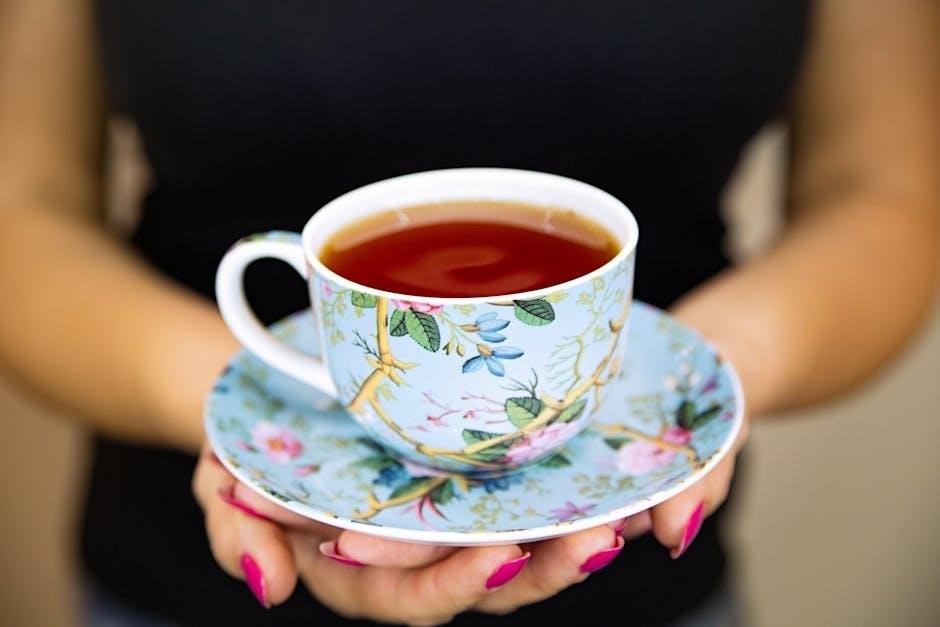
Factors Influencing Tea Cup Value
Value hinges on several key aspects: rarity, condition, pattern appeal, and the manufacturer’s prestige, alongside the cup’s age and any restoration work completed.
Rarity and Limited Editions
The allure of scarcity significantly impacts a tea cup’s value. Limited edition releases, produced in small quantities, immediately command higher prices among collectors. These exclusive pieces often feature unique designs or commemorate special events, increasing their desirability.
Identifying truly rare cups requires diligent research. Examining manufacturer records, auction results, and specialized price guides like Kovels can reveal production numbers. Cups with unusual patterns, color variations, or those discontinued early in their production run are often highly sought after.
Collectors actively seek out pieces that are difficult to find, driving up demand and, consequently, the price. A cup’s rarity is a primary driver of its investment potential within the collecting community.
Condition and Restoration
A tea cup’s condition is paramount to its value. Pristine, undamaged examples fetch the highest prices. Collectors meticulously inspect for chips, cracks, crazing (fine lines in the glaze), and wear to the gilding. Even minor imperfections can significantly reduce a cup’s worth.
Restoration, while sometimes necessary, generally diminishes value. Professional repairs should be disclosed, as they are often detectable. While a skillfully restored cup can be beautiful, it’s rarely considered as valuable as an original, undamaged piece.
Understanding the extent of any damage or restoration is crucial for accurate valuation. Transparency is key when buying or selling, ensuring both parties are aware of the cup’s true condition.
Pattern and Design
The allure of a tea cup often lies in its pattern and design. Floral motifs, landscapes, geometric shapes, and hand-painted scenes all contribute to a cup’s desirability. Rare or particularly beautiful designs command higher prices.
Certain patterns, especially those associated with specific manufacturers like Paragon, Aynsley, and Shelley, are highly sought after by collectors. Limited edition designs, or those produced for a short period, are especially valuable.
The intricacy and artistry of the design play a significant role in determining value. Collectors appreciate unique and well-executed patterns, making them prized possessions within a collection.
Manufacturer and Age
The manufacturer significantly impacts a tea cup’s value. Renowned makers like Paragon, Aynsley, Shelley, and those producing Japanese and art glass cups are highly collectible. Identifying the manufacturer through hallmarks is crucial for valuation.
Generally, older tea cups tend to be more valuable, especially those from the 18th and 19th centuries. However, age isn’t the sole determinant; condition and rarity are equally important.
Understanding a manufacturer’s history and production periods helps establish authenticity and value. Researching marks and production dates is essential for any serious collector.
Where to Find Tea Cups
Uncover hidden gems! Explore antique stores, flea markets, online marketplaces like eBay and Etsy, and prestigious auction houses such as Christie’s and Sotheby’s.
Antique Stores and Flea Markets
The thrill of the hunt awaits! Antique stores and flea markets offer a tangible, hands-on experience for tea cup collectors. These venues often harbor unexpected treasures, allowing for direct examination of pieces before purchase.
You can carefully assess condition, identify maker’s marks, and negotiate prices – a distinct advantage over online shopping. However, expertise is crucial; knowing what to look for helps avoid overpaying or acquiring reproductions.
Be prepared to sift through numerous items, as finding a desired tea cup can require patience. Local knowledge and building relationships with dealers can also uncover hidden gems and future opportunities. Remember to always inspect for chips, cracks, or repairs!
Online Marketplaces (eBay, Etsy, Ruby Lane)
A vast digital landscape! Online marketplaces like eBay, Etsy, and Ruby Lane provide unparalleled access to a global selection of tea cups. These platforms offer convenience, competitive pricing, and a wide range of styles and eras.
However, careful scrutiny is essential. Thoroughly examine photographs, read descriptions meticulously, and check seller ratings before committing to a purchase. Utilize search filters to refine results based on maker, pattern, or price.
Comparing sold prices on these sites helps determine fair market value; Be mindful of shipping costs and return policies. Online research and due diligence are key to successful tea cup collecting!
Auction Houses (Christie’s, Sotheby’s)
For discerning collectors! Prestigious auction houses like Christie’s and Sotheby’s represent the pinnacle of the tea cup collecting world, specializing in rare and high-value pieces. These venues often feature exceptional examples from renowned manufacturers like Shelley and Paragon.
Attending auctions, either in person or online, provides access to expertly curated selections and detailed provenance information. However, be prepared for competitive bidding and buyer’s premiums.
Prior research is crucial; review past auction catalogs to understand price trends and condition expectations. Consulting with specialists can offer valuable insights before participating. Auction houses offer a thrilling avenue for acquiring significant additions to your collection.
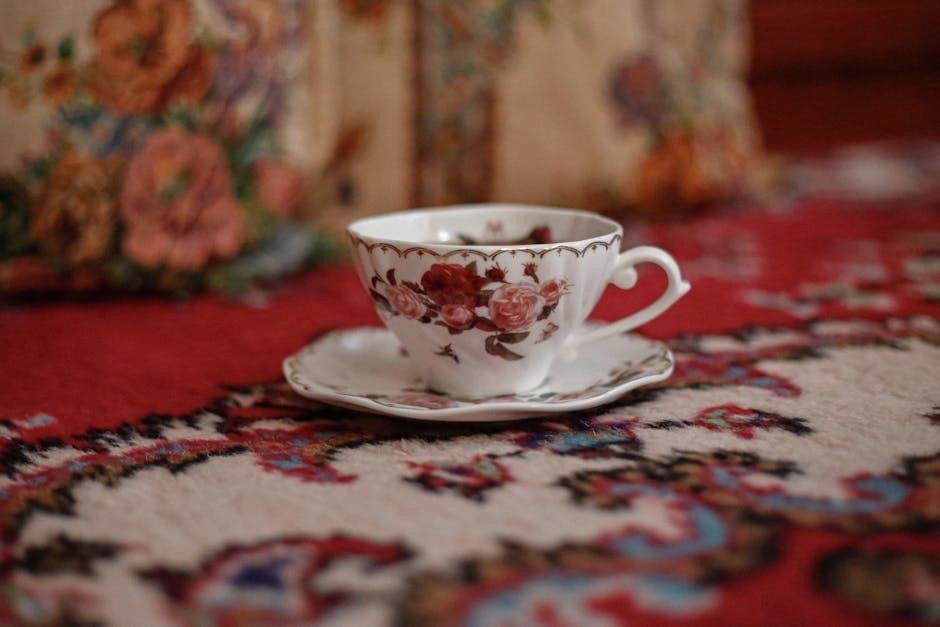
Resources for Valuation
Determine your cup’s worth! Utilize Kovels, Miller’s, and online sold price databases like eBay and auction records for accurate appraisals.
Kovels Antiques & Collectibles Price Guide
Kovels is a cornerstone for collectors! This comprehensive guide provides detailed pricing information on a vast array of antiques, including a dedicated section for tea wares.
Published annually, Kovels Antiques & Collectibles Price Guide offers current market values based on recent sales, helping you understand what your tea cups are realistically worth.
It’s an invaluable tool for both beginners and seasoned collectors, offering insights into identifying marks, patterns, and manufacturers; The guide assists in researching comparable items and establishing a fair market price. Remember that values are estimates, and condition significantly impacts worth.
Consulting Kovels provides a solid foundation for informed buying and selling decisions within the tea cup collecting community.
Miller’s Antiques Handbook & Price Guide
Miller’s offers expert valuation insights! This handbook is a respected resource for antique pricing, featuring extensive coverage of ceramics, including tea cups and saucers.
Miller’s Antiques Handbook & Price Guide provides detailed descriptions and estimated values based on auction results and dealer prices. It’s updated regularly to reflect current market trends, ensuring accuracy.
Beyond pricing, Miller’s offers guidance on identifying hallmarks, understanding different porcelain types, and assessing condition. It’s a valuable tool for determining authenticity and potential value. Like Kovels, it provides a range, and condition is key.
Utilizing Miller’s empowers collectors with the knowledge to confidently navigate the antique market.
Online Sold Price Databases
Unlock real-world values! Online databases reveal what tea cups actually sold for, offering a more accurate assessment than price guides alone.
Platforms like eBay’s completed listings and WorthPoint compile auction records, providing a history of comparable sales. This data helps establish a realistic market value for your pieces.
When researching, filter by pattern, manufacturer, and condition to find the closest matches. Pay attention to shipping costs and auction fees, as these impact the final price; Remember, recent sales are most relevant.
These databases are invaluable for both buyers and sellers, ensuring fair transactions and informed collecting decisions.
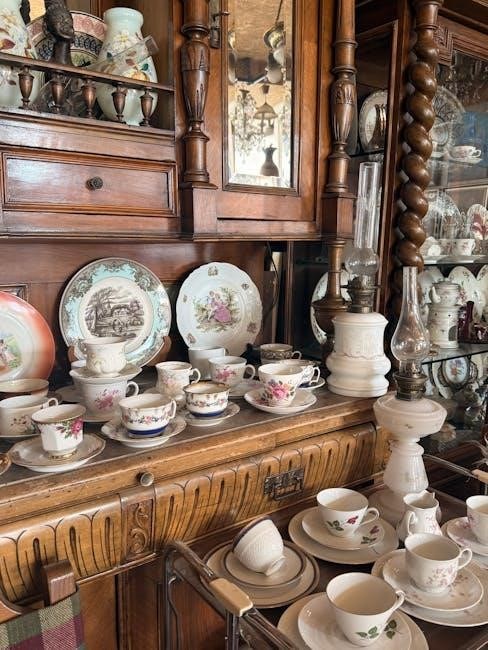
Understanding Tea Cup Sets
Completeness matters! Explore the difference between full sets and individual cups, matching saucers, and essential accessories like sugar bowls and creamers.
Complete Sets vs. Individual Cups
The allure of a complete tea cup set lies in its harmonious presentation and often, increased value. Collectors frequently seek full sets, encompassing cups, saucers, sugar bowls, creamers, and sometimes even tea strainers or serving plates. However, assembling a complete set can be challenging and expensive, especially for rare patterns.
Individual cups offer a more accessible entry point into collecting. They allow enthusiasts to focus on specific designs or manufacturers without the commitment of a full set. While generally less valuable than complete sets, exceptional individual cups – particularly those with unique patterns or from renowned makers – can still command significant prices. Building a collection of individual cups allows for personalized displays and a broader range of aesthetic choices.
Ultimately, the choice between pursuing complete sets or individual cups depends on the collector’s budget, preferences, and collecting goals.
Matching Cups and Saucers
The cornerstone of any tea cup collection is the perfectly matched cup and saucer. Ideally, both pieces should bear the same pattern, shape, and manufacturer’s mark. However, achieving a perfect match can be surprisingly difficult, especially with antique or vintage pieces. Variations in glaze, slight differences in pattern registration, or even minor manufacturing imperfections are common.
Collectors often prioritize a close match over absolute perfection, accepting minor variations as part of the charm of vintage wares. However, significant discrepancies – such as different patterns or shapes – will noticeably diminish the set’s value. Careful examination under good lighting is crucial when assessing a potential purchase.
Mismatched sets can still be aesthetically pleasing, but are generally less desirable to serious collectors.
Tea Cup Accessories (Sugar Bowls, Creamers)
Completing a tea service often extends beyond just cups and saucers. Sugar bowls and creamers, designed to complement the tea set’s pattern and style, significantly enhance its overall value and presentation. Finding matching accessories can be a rewarding, yet challenging, aspect of collecting.
Like cups and saucers, these pieces should ideally bear the same manufacturer’s mark and pattern. However, complete sets are rare, making individual accessories highly sought after. The condition of these items is also paramount; chips, cracks, or excessive wear will detract from their worth.
A beautifully coordinated tea service, complete with matching sugar and cream, elevates the tea-drinking experience and adds a touch of elegance to any collection.
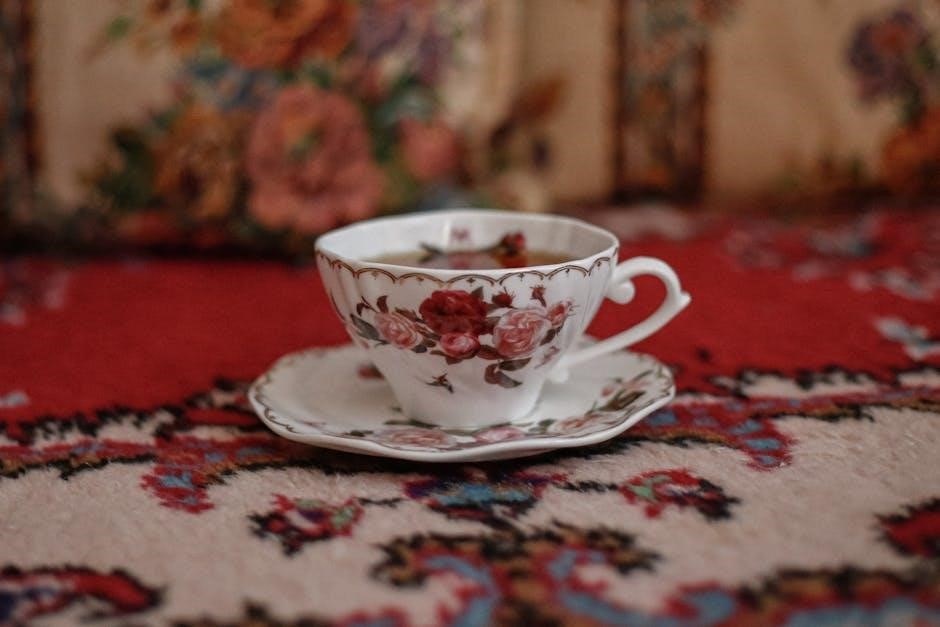
Caring for Your Tea Cup Collection
Preserve your treasures! Proper handling, gentle cleaning, and careful storage are vital for maintaining the beauty and value of your cherished tea cup collection.
Proper Handling and Storage
Delicate treasures require gentle care. When handling tea cups, always support the base and avoid gripping the handle, which is a vulnerable point.
For storage, individual padded dividers within sturdy boxes are ideal, preventing chipping and breakage. Avoid stacking cups directly on top of each other.
Line the box with acid-free tissue paper to protect against scratches and discoloration. Store in a cool, dry place away from direct sunlight and extreme temperature fluctuations.
Consider using custom-fitted foam inserts for particularly valuable or fragile pieces. Regularly inspect your collection for any signs of damage or deterioration, addressing issues promptly to prevent further harm.
Cleaning and Preservation Techniques
Gentle cleaning is paramount. Avoid abrasive cleaners and scouring pads, which can damage delicate surfaces; Hand wash tea cups in lukewarm water with a mild, pH-neutral soap.
Rinse thoroughly and dry with a soft, lint-free cloth. For stubborn stains, a paste of baking soda and water can be gently applied, but test in an inconspicuous area first.
Never immerse antique tea cups in hot water or place them in the dishwasher. Avoid harsh chemicals or ultrasonic cleaners.
Preserve the luster by avoiding prolonged exposure to sunlight. Consider a light coat of conservation wax for added protection, applied by a professional if needed.
Displaying Your Collection
Showcase your treasures thoughtfully! Display tea cups in a secure cabinet or on shelves away from direct sunlight and high-traffic areas. Use padded shelving or individual cup stands to prevent chipping.
Consider rotating your display to minimize light exposure and highlight different pieces. Group cups by manufacturer, pattern, or color for visual appeal.
Avoid overcrowding, allowing each cup to be appreciated individually.
Dust regularly with a soft brush. For valuable sets, consider museum-quality display cases with UV protection. Remember, proper display enhances both beauty and preservation, celebrating your collection’s unique story.
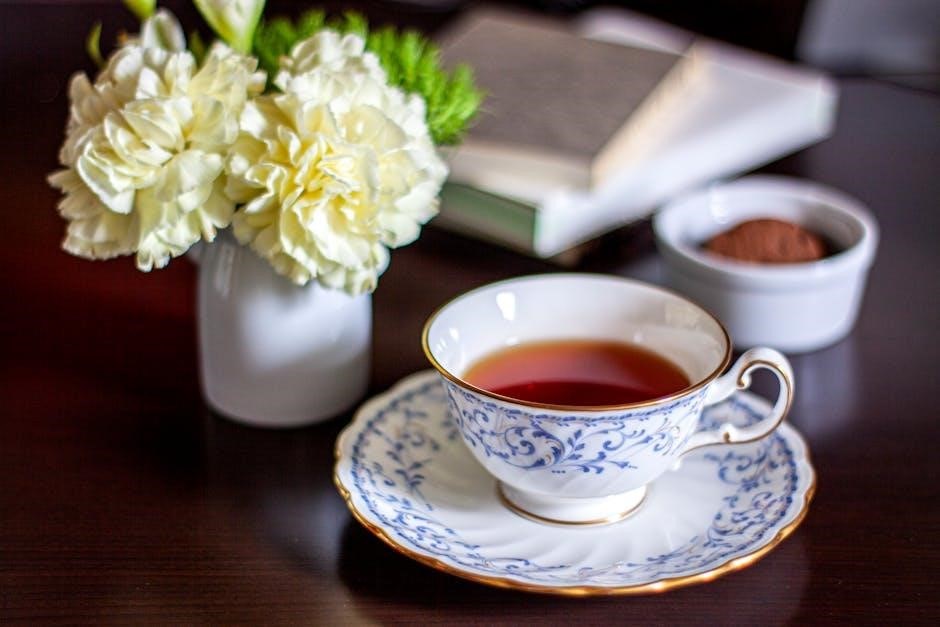
The Emotional Value of Tea Cups
More than porcelain! Tea cups become cherished heirlooms, sparking personal stories and joyful memories through the “hunt” and connection to the past.
Tea Cups as Heirlooms
Passing down beauty and history! Tea cups frequently transcend their monetary value, becoming treasured family heirlooms imbued with generations of stories. These delicate pieces often represent a tangible link to ancestors, evoking memories of shared moments and traditions.
Perhaps a cup was a wedding gift, a remembrance of a special occasion, or simply a beloved item used daily by a grandmother. The act of carefully handling and displaying these cups honors the past and creates a legacy for future generations.
They aren’t just objects; they are vessels of sentiment, carrying the echoes of laughter, conversation, and love. Preserving them ensures these stories continue to be told, enriching family history and fostering a sense of belonging.
Personal Connections and Stories
More than porcelain, a reflection of self! Beyond historical significance and monetary worth, tea cups often hold deeply personal meaning for collectors. The “joy of the hunt” isn’t solely about acquisition, but about finding a piece that resonates on an emotional level.
A particular pattern might recall a cherished childhood memory, a specific cup could remind one of a beloved friend, or the act of choosing a cup can be a metaphor for self-discovery.
Some collectors even use tea cups as tools for connection, offering them as gifts with symbolic meaning, fostering relationships and encouraging self-reflection, recognizing inherent beauty and uniqueness.
The Joy of the Hunt
The thrill of discovery defines the collector! A significant aspect of tea cup collecting lies in the excitement of the search itself. Whether scouring antique stores, flea markets, or navigating online marketplaces like eBay, Etsy, and Ruby Lane, each find is a small victory.
The anticipation of uncovering a rare pattern, a coveted manufacturer’s mark, or a piece with a unique history fuels the passion.
Auction houses, such as Christie’s and Sotheby’s, offer the potential for acquiring exceptional pieces, adding another layer of challenge and reward to the pursuit. It’s a captivating journey!