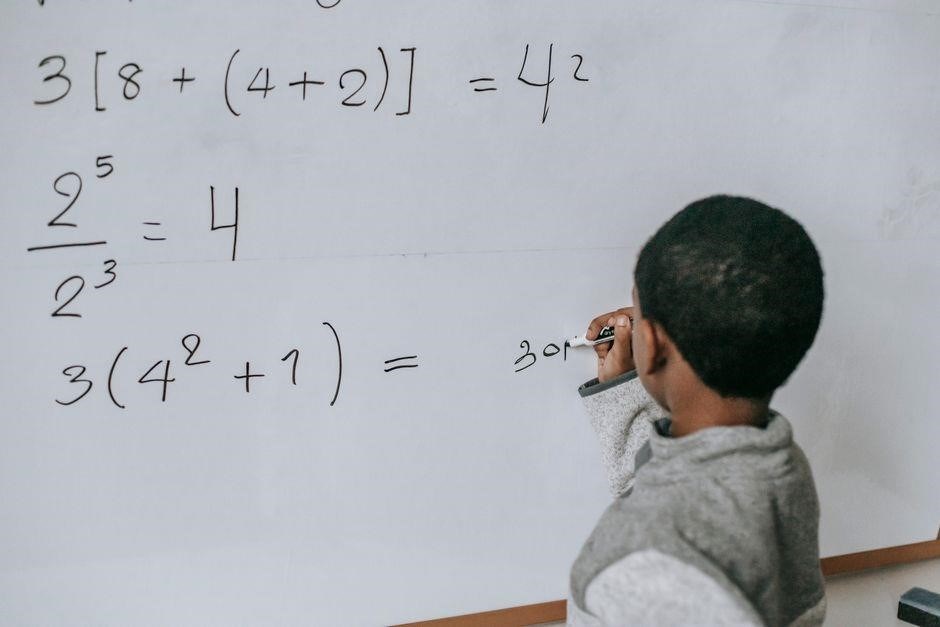
One‑step equations isolate a variable with a single operation. PDFs supply printable worksheets that let students practice addition‚ subtraction‚ multiplication‚ and division problems‚ reinforcing inverse operations and building algebraic confidence.
Enjoy!

Definition and Importance
Solving one‑step equations is a foundational algebraic skill that enables students to isolate a variable using a single inverse operation. The definition hinges on the concept that the variable appears in only one term and is connected to a constant by either addition‚ subtraction‚ multiplication‚ or division. When the equation is balanced‚ the goal is to move all constants to the opposite side and apply the inverse operation to both sides‚ thereby revealing the value of the unknown. This process is essential because it establishes the logic of algebraic manipulation‚ teaches the importance of maintaining equality‚ and provides a clear‚ step‑by‑step method that can be generalized to more complex equations. Mastery of one‑step equations also builds confidence‚ as students see immediate results from their work‚ reinforcing the idea that mathematics is a systematic problem‑solving discipline. In educational settings‚ PDFs containing printable worksheets allow teachers to give targeted practice‚ while students can work independently‚ checking their work against answer keys; The clarity of these resources supports diverse learning styles‚ enabling visual learners to see the structure of equations and kinesthetic learners to physically manipulate printed problems. Moreover‚ PDFs ensure the material is accessible offline‚ making it a tool for classrooms‚ tutoring sessions‚ and study.! By mastering one‑step equations‚ learners lay the groundwork for solving multi‑step problems and understanding functions more that rely on precise variable isolation.
Role of PDFs in Learning
PDF worksheets serve as a versatile bridge between theory and practice in the realm of algebra. By offering a structured format that highlights the variable‚ the constant‚ and the operation‚ they allow students to visually parse the equation before applying inverse operations. The clarity of printed problems reduces cognitive load‚ enabling learners to focus on the logical steps rather than deciphering complex notation; Moreover‚ PDFs can be tailored to match specific learning objectives: teachers can select worksheets that emphasize addition or subtraction‚ or those that introduce multiplication and division‚ ensuring a progressive build‑up of skills. Because PDFs are easily downloadable‚ they support flexible pacing; students can work through problems at home‚ in the classroom‚ or during independent study sessions. The inclusion of answer keys within the same document further encourages self‑assessment‚ allowing learners to verify solutions immediately and correct misconceptions on the spot. Additionally‚ the portability of PDFs means that educators can distribute materials across diverse platforms—whether via email‚ learning management systems‚ or shared drives—without compromising formatting or accessibility. This universal compatibility is especially valuable in blended or remote learning environments‚ where consistent presentation of problems is crucial. Finally‚ the ability to annotate PDFs with digital pens or highlight features empowers students to record intermediate steps‚ annotate reasoning‚ and reflect on strategies that extend beyond the immediate task of solving a single equation.
Teachers can also embed these PDFs in platforms‚ allowing instant feedback and adaptive difficulty levels. When students encounter a challenging problem‚ the worksheet can prompt them to revisit earlier steps‚ reinforcing the concept of working backward. This iterative approach nurtures a deeper understanding of algebraic principles and promotes a growth mindset among learners!!!

Types of One-Step Equations Covered in PDFs
PDFs cover addition subtraction multiplication and division one‑step equations‚ featuring integers‚ fractions‚ decimals. They also include mixed‑op problems‚ word‑based scenarios‚ and answer keys for instant verification‚ making practice both comprehensive and engaging. Keep on! Perfect for quick drills.!
Addition and Subtraction Equations
One‑step equations that involve adding or subtracting a constant from the variable are the most common starting point in algebra instruction. In printable PDF worksheets‚ students encounter problems such as y + 6 = 20 or x – 12 = 10‚ which require moving the constant to the other side by applying the inverse operation. The process is straightforward: if the variable is being added‚ subtract the same number from both sides; if it is being subtracted‚ add the number back. PDF templates often provide a fill‑in format where the student writes the intermediate step (e.g.‚ “y = 20 – 6”) before arriving at the final answer. This visual separation helps learners see the logical flow and reinforces the concept of balancing equations. Many worksheets also include a variety of number types—integers‚ fractions‚ and decimals—to expose students to different contexts. For example‚ a problem might read 3z – 1/2 = 7/4‚ prompting the solver to add 1/2 to both sides and then simplify fractions. The answer keys in the PDFs allow teachers to quickly verify work‚ while the blank templates enable independent practice. By repeatedly solving these addition and subtraction equations‚ students build confidence in manipulating algebraic expressions‚ setting a solid foundation for more complex multi‑step problems. Teachers can also use the PDFs to create customized quizzes by selecting specific problem types or difficulty levels‚ ensuring that each student receives targeted practice. Additionally‚ the printable format allows for easy distribution in both classroom and remote learning environments‚ making it a versatile resource for diverse educational settings. Students can also practice by solving equations with negative numbers‚ which introduces the concept of sign changes and reinforces the importance of careful arithmetic.
Multiplication and Division Equations
When a variable is multiplied or divided by a constant‚ the objective is to isolate it by applying the inverse operation to both sides of the equation. Printable PDF worksheets provide clear examples such as 2n = 16 or m ÷ 5 = 10‚ where students must divide or multiply to solve for the variable. In the first case‚ dividing both sides by 2 gives n = 8; in the second‚ multiplying both sides by 5 yields m = 50. The worksheets often feature a fill‑in template that walks learners through each step: write the original equation‚ perform the inverse operation‚ simplify‚ and record the final answer. This step‑by‑step approach reinforces balancing equations and helps students avoid common mistakes such as neglecting to perform the operation on both sides or misapplying the inverse. Worksheets also include a variety of numbers—whole numbers‚ fractions‚ and decimals—to expose students to diverse contexts. For example‚ 4p ÷ 2 = 3/2 requires students to divide by 2 and then simplify a fraction. Answer keys allow quick verification‚ while blank templates enable independent practice. By repeatedly solving multiplication and division equations‚ students strengthen algebraic fluency and prepare for multi‑step problems that combine all four operations. Teachers can customize PDFs to match class proficiency levels‚ ensuring each student receives targeted practice. The printable format supports both in‑class and remote learning‚ making it a versatile tool for diverse educational settings. Lorem ipsum dolor sit amet‚ consectetur adipiscing elit. Sed do eiusmod tempor incididunt ut labore et dolore magna aliqua. Ut enim ad minim veniam. Duis aute irure Sit

Using Printable PDF Worksheets Effectively

Download‚ print‚ and organize worksheets by theme. Use the fill‑in template to guide students through each step‚ then reveal the answer key for self‑check. Rotate topics weekly to reinforce concepts‚ and encourage students to explain their reasoning aloud for deeper understanding. Practice daily for mastery.!
Downloading and Printing Worksheets
To begin‚ locate a reputable educational site that offers free printable PDFs focused on one‑step equations. Most providers host a variety of templates—fill‑in‚ answer‑key‚ and blank—so you can tailor the activity to your lesson plan. Click the download link‚ and the PDF will appear in your browser’s PDF viewer or prompt you to save it locally. Save the file to a dedicated folder for quick access during class. When printing‚ use the “fit to page” option to ensure the worksheet occupies the full sheet without cutting off any content. If you have a multi‑color printer‚ separate the fill‑in and answer‑key sheets onto different pages; this allows students to work independently while you can review the key afterward. For larger groups‚ consider printing on both sides of the paper to conserve resources and reduce clutter in the classroom. After printing‚ gather the worksheets‚ laminate the answer keys if you plan to reuse them‚ and distribute them to students. Encourage them to keep a copy of the key for self‑checking after completing the exercises. By following these steps‚ you’ll have a ready‑to‑use set of worksheets that support hands‑on practice and reinforce the concept of isolating a variable with a single operation. Students should also practice by creating their own one‑step equations using real‑world contexts‚ then solving them on paper before checking against the answer key to build confidence and mastery. This practice boosts problem‑solving. !!
Choosing the Right Template
Choosing the right worksheet template for one‑step equations hinges on aligning the format with your instructional goals and student needs. A fill‑in template presents pre‑written equations and a blank space for the answer; this is perfect for guided practice and quick feedback because the teacher can immediately see the student’s result. An answer‑key template‚ in contrast‚ provides a separate sheet with the correct solutions; it is ideal for self‑assessment or for use after the activity when the teacher wants to review the work. The blank template gives full control over problem selection and layout‚ allowing you to tailor difficulty‚ mix operations‚ or incorporate word problems that reflect real‑world contexts. For beginners‚ choose a template that focuses on simple addition or subtraction equations and keeps the visual layout uncluttered. For more advanced learners‚ select a template that includes multiplication‚ division‚ fractions‚ or decimals‚ and consider adding a “check your work” prompt that asks students to substitute their answer back into the original equation. Evaluate file size and print quality; a high‑resolution PDF ensures that numbers and symbols remain legible on standard school paper. Test the template by printing a sample page to confirm that margins‚ spacing‚ and alignment are correct‚ and adjust the PDF settings if necessary. By matching the template type to your lesson objectives‚ you can maximize engagement‚ reinforce key concepts‚ and provide a clear path for assessment and feedback.
When using the worksheet‚ encourage students to double‑check their work by performing the inverse operation on both sides of the equation; this habit reinforces algebraic thinking and reduces careless errors!!

Checking Solutions and Common Mistakes
Verify by substituting the solution back into the original equation. Common errors include forgetting to apply the inverse operation to both sides‚ mis‑adding or mis‑subtracting‚ and misreading the coefficient. Double‑check each step.Check for sign errors! Also!!
Substituting Back into the Equation
After solving‚ the student must verify the result by replacing the variable with the obtained value in the original equation. This substitution confirms that both sides balance‚ ensuring the solution is correct. The process involves three clear steps:
- Identify the variable: Locate the symbol that was isolated during solving.
- Insert the numeric value: Replace every instance of the variable with the calculated number‚ keeping all other terms unchanged.
- Evaluate both sides: Perform the arithmetic on each side separately‚ simplifying until a single number remains.

If the simplified results match‚ the solution is valid. If they differ‚ the student should revisit the solving steps‚ checking for arithmetic errors‚ sign mistakes‚ or incorrectly handling negative signs. Common pitfalls include forgetting to apply the inverse operation to both sides‚ misreading the coefficient‚ or incorrectly handling negative signs. Teachers can use the answer key template in printable PDF worksheets to quickly compare student work with the correct outcome‚ providing immediate feedback. Encouraging students to write the substitution step out explicitly helps develop a habit of verification‚ reinforcing algebraic reasoning and building confidence in their problem‑solving skills.
Common Errors to Avoid
Teachers can highlight these pitfalls by presenting a checklist: 1) Apply the inverse operation to both sides; 2) Keep track of signs‚ especially when the variable is multiplied by a negative number; 3) Simplify fractions before solving; 4) Avoid premature rounding; 5) Verify the answer by substitution; 6) Use a number line to visualize the effect of operations. When students encounter a negative coefficient‚ remind them to divide by a negative number‚ not multiply. When students sometimes forget to isolate the variable completely‚ leaving a residual term on the same side. In worksheets that include fractions or decimals‚ rounding prematurely can produce an inaccurate answer. Finally‚ a careless check of the solution by substituting back into the original equation is often omitted‚ allowing an incorrect result to go unnoticed. By consciously reviewing each step and double‑checking the final substitution‚ these pitfalls can be avoided. Teachers can highlight these pitfalls by presenting a checklist: 1) Apply the inverse operation to both sides; 2) Keep track of signs‚ especially when the variable is multiplied by a negative number; 3) Simplify fractions before solving; 4) Avoid premature rounding; 5) Verify the answer by substitution; 6) Use a number line to visualize the effect of operations. When students encounter a negative coefficient‚ remind them to divide by a negative number‚ not multiply. Remember to double‑check each calculation. Additionally‚ emphasize that any arithmetic mistake—such as a misplaced decimal—will alter the final answer. Encouraging a habit of double‑checking each step helps prevent these common errors.

Advanced Practice and Resources
Explore word problems‚ mixed operations‚ and downloadable PDFs for deeper mastery. Use online platforms for interactive quizzes‚ and review answer keys to reinforce concepts. Practice with real‑world scenarios to solidify algebraic skills.Track progress with checklists
Word Problems and Mixed Operations

Word problems transform abstract equations into real‑world scenarios‚ challenging students to identify the unknown and apply inverse operations. Mixed‑operation worksheets combine addition‚ subtraction‚ multiplication‚ and division in one equation‚ requiring careful sequencing of steps. Printable PDF sets often feature problems that involve fractions‚ integers‚ and decimals‚ allowing learners to practice rounding‚ simplifying‚ and cross‑multiplying. Many resources include multiple‑choice questions that test conceptual understanding‚ as well as open‑ended prompts that encourage explanation of the solution process. Teachers can use the answer‑key templates to verify student work instantly‚ while students benefit from instant feedback on their reasoning. By integrating geometry applications—such as finding the side length of a rectangle when the perimeter is known—students see the relevance of algebra beyond pure numbers. The PDFs are downloadable in high resolution‚ ensuring clarity when printed on standard 8.5×11 paper. Some sets also offer a “fill‑in” version‚ where students write the final answer in a designated box‚ promoting neatness and precision; Others provide a blank template for self‑created problems‚ fostering creativity. The variety of difficulty levels—from simple single‑digit equations to more complex multi‑step challenges—means that each student can find appropriate practice. Regular exposure to mixed‑operation word problems strengthens critical‑thinking skills and prepares learners for standardized tests and real‑life problem solving. Practice daily!!!.
Additional Online Resources
For students and teachers seeking more practice beyond static PDFs‚ a variety of online platforms provide dynamic‚ interactive lessons on one‑step equations. Khan Academy offers step‑by‑step video explanations‚ instant feedback quizzes‚ and a personalized learning dashboard that tracks progress. The National Council of Teachers of Mathematics (NCTM) hosts downloadable lesson plans and interactive simulations that let learners manipulate variables in real time. Math Playground and Cool Math Games feature engaging game‑based activities that reinforce inverse operations while keeping motivation high. Desmos‚ a free graphing calculator‚ includes a “One‑Step Equation” activity where students can see the algebraic manipulation reflected on a coordinate plane. GeoGebra’s interactive worksheets allow for instant visual confirmation of solutions. For mobile learners‚ apps such as Photomath and Microsoft Math Solver let students scan handwritten equations and receive step‑by‑step solutions‚ enhancing understanding of the underlying operations. Purplemath’s “Algebra Basics” section offers concise tutorials‚ worked examples‚ and printable worksheets that focus on inverse operations. IXL provides adaptive practice problems with instant hints‚ ensuring that each student receives targeted support. The American Mathematical Society’s “Math Resources” portal curates vetted worksheets‚ printable PDFs‚ and teacher guides‚ ensuring high quality materials. Online forums like Stack Exchange’s Mathematics community provide a space for asking specific questions‚ sharing creative problem‑solving strategies‚ and receiving peer feedback. Additionally‚ the OpenStax textbook series includes free‚ downloadable chapters on algebra that feature practice problems and solutions. These resources collectively support diverse learning styles‚ promote deeper conceptual grasp‚ and extend practice opportunities beyond the classroom. Students can also try quizzes on the NCTM site!!