
G35 Automatic to Manual Swap: A Comprehensive Plan
Embarking on a G35 automatic to manual conversion is a significant undertaking, often costing around $8000 USD, with potential check engine light issues and resale impacts.
The Infiniti G35 automatic to manual transmission swap represents a popular, yet complex, modification for enthusiasts seeking a more engaging driving experience. This conversion involves replacing the factory-installed automatic transmission with a 6-speed manual transmission, commonly sourced from the 350Z. While offering enhanced control and driver involvement, it’s crucial to understand the intricacies involved.
Numerous online forums, like G35Driver and MY350Z.COM, detail experiences and provide guidance. The process isn’t simply a direct bolt-on; it necessitates careful planning, sourcing specific parts, and potentially addressing ECU compatibility and wiring harness modifications. Expect lingering plugs from the automatic setup and possible gauge cluster needs.
Why Consider a Manual Swap?
For many G35 owners, the allure of a manual transmission lies in the increased driver engagement and control it provides. The automatic transmission, while convenient, can feel disconnected, diminishing the sporty nature of the vehicle. A manual swap allows for precise gear selection, fostering a more intimate connection with the car and the road.
Beyond the driving experience, enthusiasts often cite a desire for greater customization and a more personalized vehicle. While a manual G35 may impact resale value, the enhanced driving dynamics often outweigh this concern for dedicated enthusiasts. It’s about transforming the G35 into a truly driver-focused machine.
Cost Analysis of the Swap
The financial commitment for a G35 automatic to manual swap is substantial, demanding careful budgeting. Labor costs typically range around $4000 USD, according to shop quotes, while parts can easily exceed $8000 USD, particularly for Canadian residents converting currency. A neighbor’s 350Z swap reached $9300 CAD (approximately $8000 USD).
These figures encompass the transmission itself, clutch kit, flywheel, and necessary modifications. Unexpected expenses can arise, emphasizing the importance of a contingency fund. Thorough research and sourcing of parts are crucial to minimizing overall costs and ensuring a successful, albeit expensive, conversion.
3.1 Parts Costs Breakdown
Essential components drive the parts cost significantly. The 6-speed manual transmission (6MT) is a major expense, alongside a compatible flywheel and a complete clutch kit. Manual pedals and the shifter assembly add to the tally. A driveshaft tailored for the manual setup is also required.
Furthermore, anticipate costs for addressing the automatic transmission’s unused sensors and plugs. While the stock ECU can be used, it often triggers a check engine light. A new gauge cluster might be necessary, increasing the overall parts expenditure. Sourcing used parts can offer savings, but requires careful inspection.
3.2 Labor Costs Estimation
Professional installation significantly impacts the overall swap cost. Labor estimates typically range around $4000 USD, but can vary based on shop rates and regional differences. Experienced shops familiar with G35 or 350Z manual swaps are preferable, as they understand the intricacies involved.
The complexity of wiring harness modifications, particularly the IPDM connector modification (pin 26 to 43), contributes to labor hours. Additionally, the center console swap and gauge cluster adjustments require skilled technicians. Expect potential unforeseen issues to add to the total labor time and expense.
Required Parts List
A complete G35 automatic to manual swap necessitates a comprehensive parts list. Crucially, you’ll need a 6-speed manual transmission (6MT), a compatible flywheel, and a complete clutch kit. Manual pedals are essential, alongside the shifter assembly and potentially a new driveshaft depending on length differences.
Don’t forget the IPDM (Intelligent Power Distribution Module) for wiring adjustments. While the stock ECU can be used, anticipate a check engine light. A manual gauge cluster is often recommended, and sourcing these parts can be challenging, requiring diligent searching.
4.1 Transmission (6MT)
The core of the swap is, naturally, the 6-speed manual transmission (6MT). Sourcing a used 6MT from a 350Z is a common practice, as they are largely interchangeable with G35 models. Ensure the transmission is in good working order before purchase, verifying its history if possible.
Consider the transmission’s origin; some may require minor modifications for a seamless fit. Inspect for any damage or excessive wear. Compatibility with your specific G35 year and model should be confirmed before finalizing the purchase, avoiding potential issues during installation.
4.2 Flywheel
Alongside the transmission, a manual flywheel is essential. The automatic transmission utilizes a torque converter, necessitating a replacement with a flywheel designed for a manual setup. Sourcing this component alongside the transmission from a 350Z often simplifies the process, ensuring compatibility.
Inspect the flywheel for cracks, warping, or excessive wear on the friction surface. A damaged flywheel can lead to clutch slippage and vibrations. Consider the flywheel’s weight; lighter flywheels can improve engine responsiveness, while heavier ones offer smoother engagement.
4.3 Clutch Kit
A complete clutch kit is paramount for a successful swap. This includes the clutch disc, pressure plate, and throw-out bearing. Opt for a kit specifically designed for the VQ35DE engine and the 6-speed manual transmission (6MT) to guarantee proper fitment and performance.

Consider your driving style when selecting a clutch. Performance-oriented drivers might prefer a stiffer clutch for enhanced control, while daily drivers may prioritize a smoother, more forgiving engagement. Ensure the kit includes a pilot bearing or bushing, crucial for supporting the transmission input shaft.
4.4 Pedals (Manual)
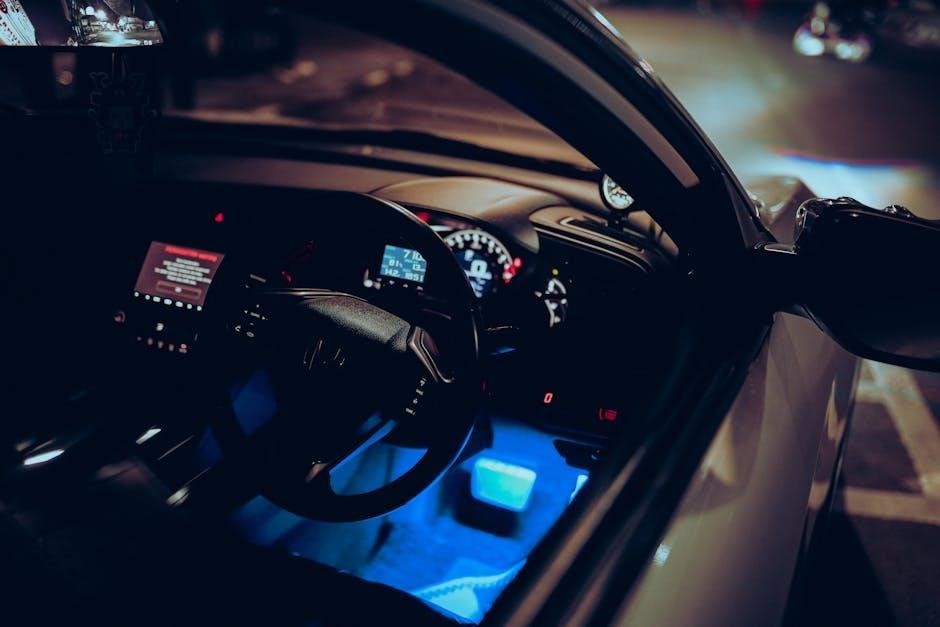
Sourcing manual transmission pedals is essential, as the automatic setup lacks a clutch pedal. These can be obtained from a donor manual G35 or 350Z. Ensure you acquire the entire pedal assembly, including the clutch pedal, brake pedal, and potentially the pedal bracket, for a seamless installation.
Carefully inspect the pedals for wear and tear before purchasing. Proper installation requires securing the pedal assembly to the firewall, potentially necessitating drilling new holes or utilizing existing mounting points. Verify compatibility with your G35 model year to avoid fitment issues.

4.5 Shifter Assembly
The manual shifter assembly is a core component of the swap, dictating the driving experience. Sourcing a complete assembly from a donor car – a 350Z or manual G35 – is recommended. This includes the shifter base, linkage, and shift knob. Inspect the linkage for smooth operation and minimal play.
Installation involves mounting the shifter base securely to the transmission tunnel. Precise alignment is crucial for accurate gear selection. Consider the aesthetic preference for the shift knob; aftermarket options are widely available. Ensure all mounting hardware is present and in good condition for a reliable setup.
4.6 Driveshaft

The driveshaft is a critical element requiring careful consideration during the auto-to-manual swap. Automatic and manual transmission G35s utilize different driveshaft lengths. Utilizing the automatic driveshaft will likely result in vibrations and potential damage. Sourcing a driveshaft specifically designed for a manual transmission G35 or 350Z is essential.
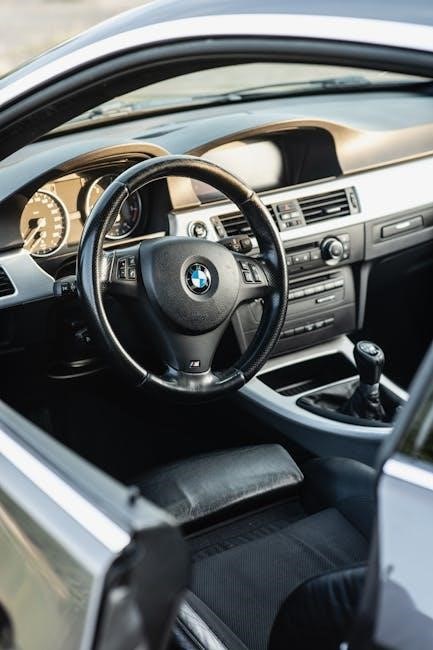
Verify compatibility based on your vehicle’s model year and drivetrain configuration. Inspect the U-joints and slip yoke for wear or damage before installation. Proper driveshaft length ensures optimal drivetrain geometry and minimizes stress on the transmission and differential.
ECU Considerations and Tuning
The stock ECU can function post-swap, however, expect a persistent Check Engine Light (CEL). While the car may operate, the ECU won’t be optimized for manual transmission operation. This can lead to suboptimal performance and potentially incorrect sensor readings. Addressing the CEL often involves utilizing a standalone ECU or pursuing custom tuning.
Tuning allows for adjustments to fuel maps, ignition timing, and other parameters to match the manual transmission’s characteristics. This ensures smooth operation, maximizes power output, and eliminates the CEL. Ignoring ECU adjustments can compromise the longevity of the drivetrain.
5.1 Stock ECU Compatibility
Utilizing the factory ECU after an automatic to manual swap is possible, but not ideal. The G35’s stock ECU is programmed for an automatic transmission and lacks the necessary parameters for a manual setup. Consequently, the ECU won’t recognize the manual transmission’s operation, triggering a Check Engine Light.
While the car will run, performance will be compromised, and you may experience issues with throttle response or fuel efficiency. It’s a functional, albeit imperfect, solution for those unwilling to invest in aftermarket tuning or a standalone ECU.
5.2 Check Engine Light Issues
A persistent Check Engine Light (CEL) is almost guaranteed following a G35 automatic to manual swap if utilizing the stock ECU. The transmission control system expects signals from the automatic transmission that simply won’t be present with a manual setup. This discrepancy triggers diagnostic trouble codes, illuminating the CEL.
Common codes relate to transmission sensors or communication errors. While the car remains drivable, the CEL indicates an underlying issue. Addressing this requires either ECU tuning to disable the automatic transmission checks or a more complex workaround involving signal manipulation.
Wiring Harness Modifications
Significant wiring harness modifications are crucial during a G35 auto-to-manual swap. A key adjustment involves the IPDM (Intelligent Power Distribution Module) connector, specifically jumping pin 26 to pin 43. This addresses the automatic transmission signal expectation, though it doesn’t eliminate the CEL entirely.
Furthermore, the automatic transmission possesses unique sensors and plugs absent in manual configurations. These unused connectors must be addressed, either by proper termination or, ideally, integration with the manual system if applicable. Careful attention to wiring diagrams is essential for a successful and safe conversion.
6.1 IPDM Connector Modifications (Pin 26 to 43)
A critical step in the G35 automatic to manual swap involves modifying the IPDM (Intelligent Power Distribution Module). Specifically, connecting wire 43 to the empty pin 26 within the IPDM connector is essential. This modification is often necessary because the automatic transmission’s IPDM setup differs from the manual version.
This jump wire essentially tricks the system, resolving some communication errors. However, it’s important to note that this fix doesn’t entirely eliminate the potential for a Check Engine Light. It’s a common and documented solution, found within Nissan/Infiniti service manual resources and online forums like MY350Z.COM.
6.2 Addressing Unused Sensors/Plugs
During the G35 automatic to manual conversion, you’ll inevitably encounter unused sensors and plugs originating from the automatic transmission system. These are remnants of features absent in the manual setup. Notably, a plug identical to those found on a manual transmission will remain disconnected.
While these dangling connectors don’t immediately impede functionality, it’s best practice to properly address them. Securely tucking them away from moving parts prevents damage. Ignoring them could lead to future issues or simply appear untidy. This is a common observation reported by those who have completed the swap, as seen in G35Driver forum discussions.
Center Console Swap

A crucial aspect of the G35 automatic to manual swap involves replacing the automatic transmission’s center console. The automatic console accommodates the gear selector, which is obviously unnecessary with a manual transmission. Many owners retain their original automatic center console post-swap, but this leaves an open space where the shifter should be.
To achieve a clean and functional aesthetic, sourcing a manual transmission-specific center console is highly recommended. This console features the correct opening for the manual shifter. Forum discussions, like those on MY350Z.COM, highlight this as a necessary step for a professional-looking conversion.
Gauge Cluster Compatibility
Determining gauge cluster compatibility is vital during a G35 automatic to manual swap. The automatic transmission gauge cluster doesn’t display gear information, which is essential for a manual setup. While the swap can be completed with the original cluster, a check engine light will likely illuminate due to mismatched transmission data.
Many enthusiasts recommend acquiring a manual transmission-specific gauge cluster to resolve this issue. This ensures accurate gear display and eliminates the persistent check engine light. G35Driver forum posts confirm this, noting that a new cluster is often a worthwhile investment for a fully functional conversion.
8.1 Potential Need for a New Gauge Cluster
A significant consideration during the G35 auto-to-manual swap is the potential necessity of a new gauge cluster. The original automatic transmission cluster lacks the gear position indicator crucial for a manual transmission. Utilizing the existing cluster will almost certainly trigger a check engine light due to the conflicting data.
Online forums, like G35Driver and MY350Z, consistently highlight this issue. Swapping to a manual transmission-specific cluster resolves this, providing accurate gear display and eliminating the error code. While the swap can proceed without it, a new cluster is strongly recommended for a complete and functional conversion.
Step-by-Step Swap Process Overview
The G35 automatic to manual swap involves a complex series of steps. First, gather all necessary parts: transmission, flywheel, clutch, pedals, and shifter assembly. Disconnect the battery and drain both automatic transmission and differential fluids. Remove the automatic transmission, then install the manual transmission and associated components.
Crucially, address the IPDM connector (pin 26 to 43) for proper functionality. Modify the center console for the manual shifter. Finally, address any wiring harness modifications and potential ECU tuning needs. Thorough documentation, like Nissan service manuals, is vital throughout this process.
Potential Challenges and Troubleshooting
Numerous challenges can arise during a G35 auto-to-manual swap. Expect a persistent check engine light, potentially requiring ECU tuning or acceptance of its presence. Unused sensors and plugs from the automatic transmission may remain, needing proper management. The IPDM connector modification (pin 26 to 43) can be tricky, and incorrect wiring can cause issues.
Gauge cluster incompatibility is also a possibility, potentially necessitating a replacement. Troubleshooting often involves verifying wiring connections, addressing sensor signals, and ensuring proper transmission operation. Patience and detailed documentation are key to overcoming these hurdles.
Resale Value Impact
Unfortunately, performing an automatic to manual swap on a G35 generally decreases its resale value. Many potential buyers prefer the convenience of an automatic transmission, and a modified vehicle can raise concerns about reliability and maintenance. The swap’s cost may not be fully recouped upon sale, and some buyers may actively avoid modified cars.
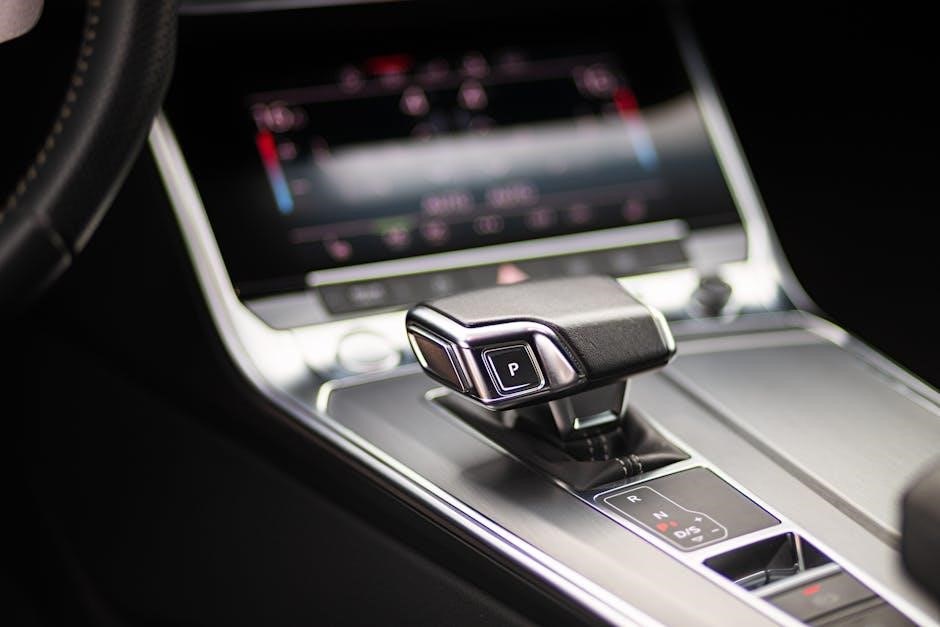
While enthusiasts might appreciate the conversion, the broader market often penalizes it. Consider this carefully before proceeding; if resale value is a priority, trading for a factory-equipped manual G35 is a more sensible option.
Alternative: Trading for a Manual G35
Given the complexities and potential costs associated with an automatic to manual swap, seriously consider trading your automatic G35 for a factory-built manual version. This avoids the significant financial investment, potential troubleshooting, and the negative impact on resale value. Locating a manual G35 might require patience, but it offers a more straightforward path to enjoying a driver-focused experience.
Furthermore, a factory manual car retains its original configuration, appealing to a wider range of buyers should you decide to sell in the future. It’s often the most practical and cost-effective solution.
Canadian Cost Examples (Approx. $8000 USD)
For those in Canada contemplating a G35 automatic to manual conversion, anticipate costs around $9300 Canadian dollars, which translates to approximately $8000 USD. This figure, based on reported experiences, encompasses parts and labor. However, this is an estimate, and actual expenses can fluctuate based on shop rates and component sourcing.
Keep in mind that this cost doesn’t necessarily include potential unforeseen expenses, such as addressing check engine light issues or gauge cluster incompatibility. Thorough research and obtaining multiple quotes are crucial for accurate budgeting.
Relevant Documentation (Nissan/Infiniti Service Manuals)
Successfully navigating a G35 automatic to manual swap hinges on access to comprehensive technical documentation. Nissan and Infiniti service manuals are invaluable resources, providing detailed diagrams and procedures. Specifically, the 2003 G35 Sedan service manual (accessible via NicoClub) contains crucial information regarding the IPDM (Intelligent Power Distribution Module) connector modifications – specifically, jumping pin 26 to 43.
These manuals aid in understanding wiring harness intricacies and identifying sensor locations. Utilizing these resources minimizes errors and ensures a smoother, more accurate conversion process.
Shop Quotes and Labor Rates (Approx. $4000 USD)
Professional installation of a G35 automatic to manual swap typically ranges around $4000 USD, according to reported experiences. This figure encompasses both parts and labor, though it can fluctuate based on shop rates and regional pricing. It’s crucial to obtain multiple quotes from shops experienced with this specific conversion, as expertise significantly impacts the outcome.
Some shops have successfully completed this swap previously on G35s, demonstrating familiarity with the necessary modifications and potential challenges, ensuring a more reliable result.
350Z Swap Experiences and Applicability to G35
The Nissan 350Z shares significant mechanical components with the G35, making 350Z swap experiences highly relevant. Many G35 owners consult 350Z forums (like MY350Z.COM) for guidance, as the 5AT to 6MT swap is more commonly documented there.
Specifically, the IPDM (Intelligent Power Distribution Module) connector modification – jumping pin 26 to 43 – originated from 350Z solutions. This demonstrates the direct applicability of knowledge and techniques between the two platforms, streamlining the G35 conversion process.

Transmission and Flywheel Sourcing
Securing a 6-speed manual transmission (6MT) is paramount for the swap, often sourced from salvaged 350Zs or G35s already equipped with a manual gearbox. A compatible flywheel is also essential, needing to match the transmission and engine configuration.
Careful inspection of both components is crucial before purchase, verifying their condition and ensuring they haven’t experienced excessive wear. Online marketplaces and Nissan/Infiniti parts specialists are viable sourcing options, but diligent research and verification are highly recommended.
Detailed Wiring Diagrams and Resources
Navigating the wiring modifications is complex, requiring detailed diagrams. The Nissan/Infiniti service manual (specifically the IPDM connector section, page 12 of the G35 Sedan 2003 FSM) is invaluable.
Specifically, connecting IPDM pins 26 to 43 addresses automatic transmission sensor discrepancies. Online forums like G35Driver and MY350Z.COM host user-shared wiring solutions and troubleshooting advice. Thoroughly researching and understanding these resources is vital for a successful, error-free electrical integration during the swap.
Is the Swap Worth It?
Considering the substantial cost – potentially exceeding $8000 USD – and the inherent challenges like check engine light issues and potential resale devaluation, the G35 automatic to manual swap is debatable.
Many enthusiasts suggest exploring a trade for a factory-equipped manual G35 as a more pragmatic alternative. While the swap offers a more engaging driving experience, the financial and logistical hurdles may outweigh the benefits for some owners. Carefully weigh your priorities and resources before committing to this modification.